Early Computer Art
1960–1979 · Global
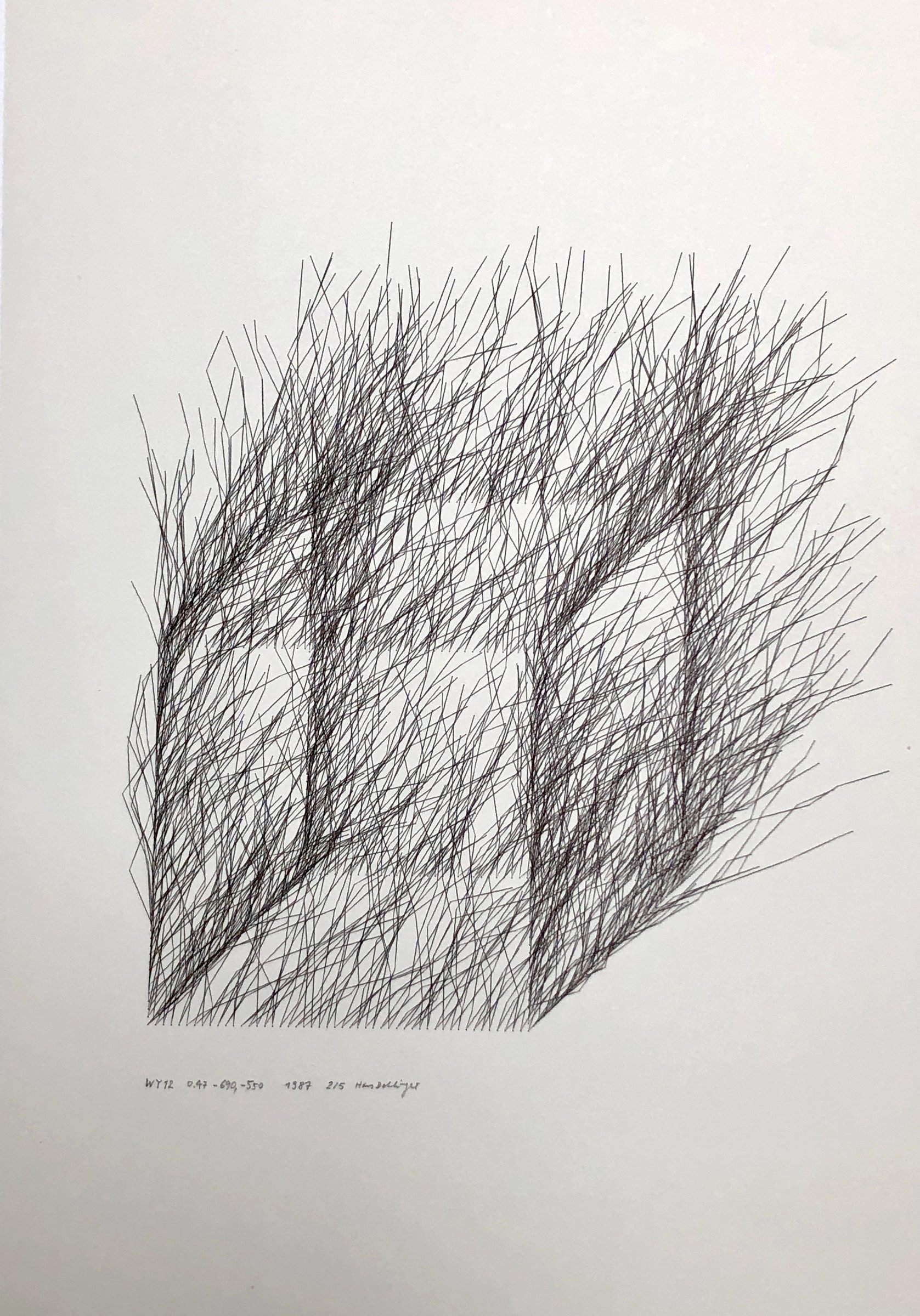
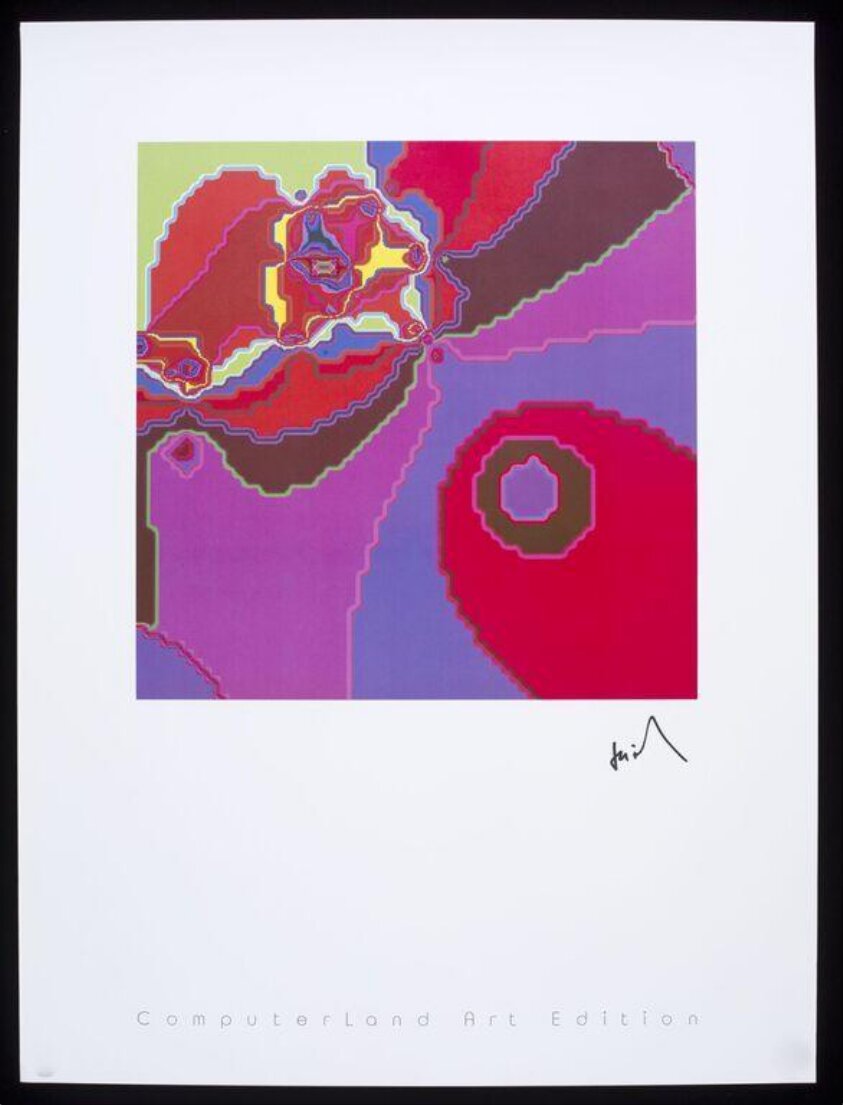
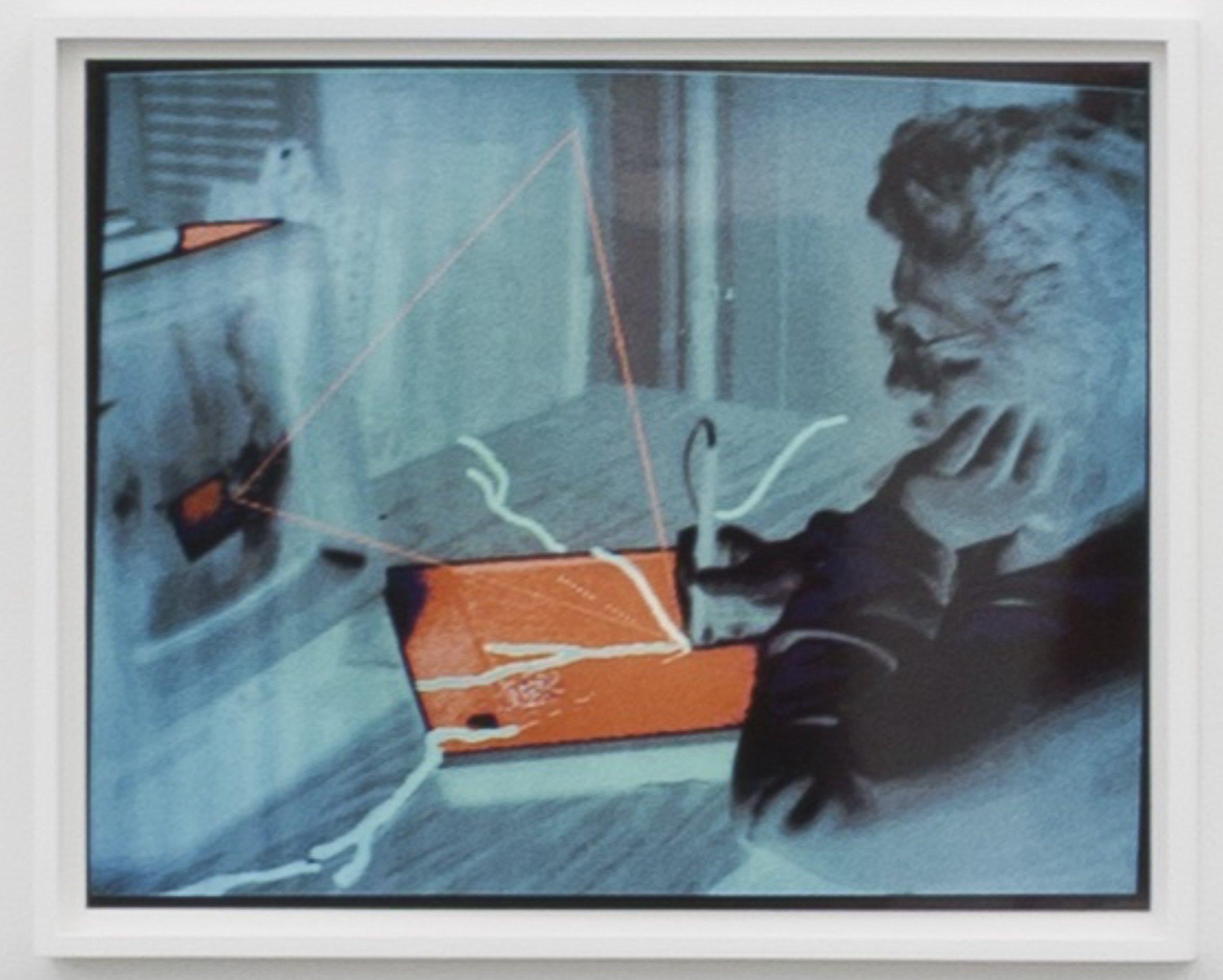
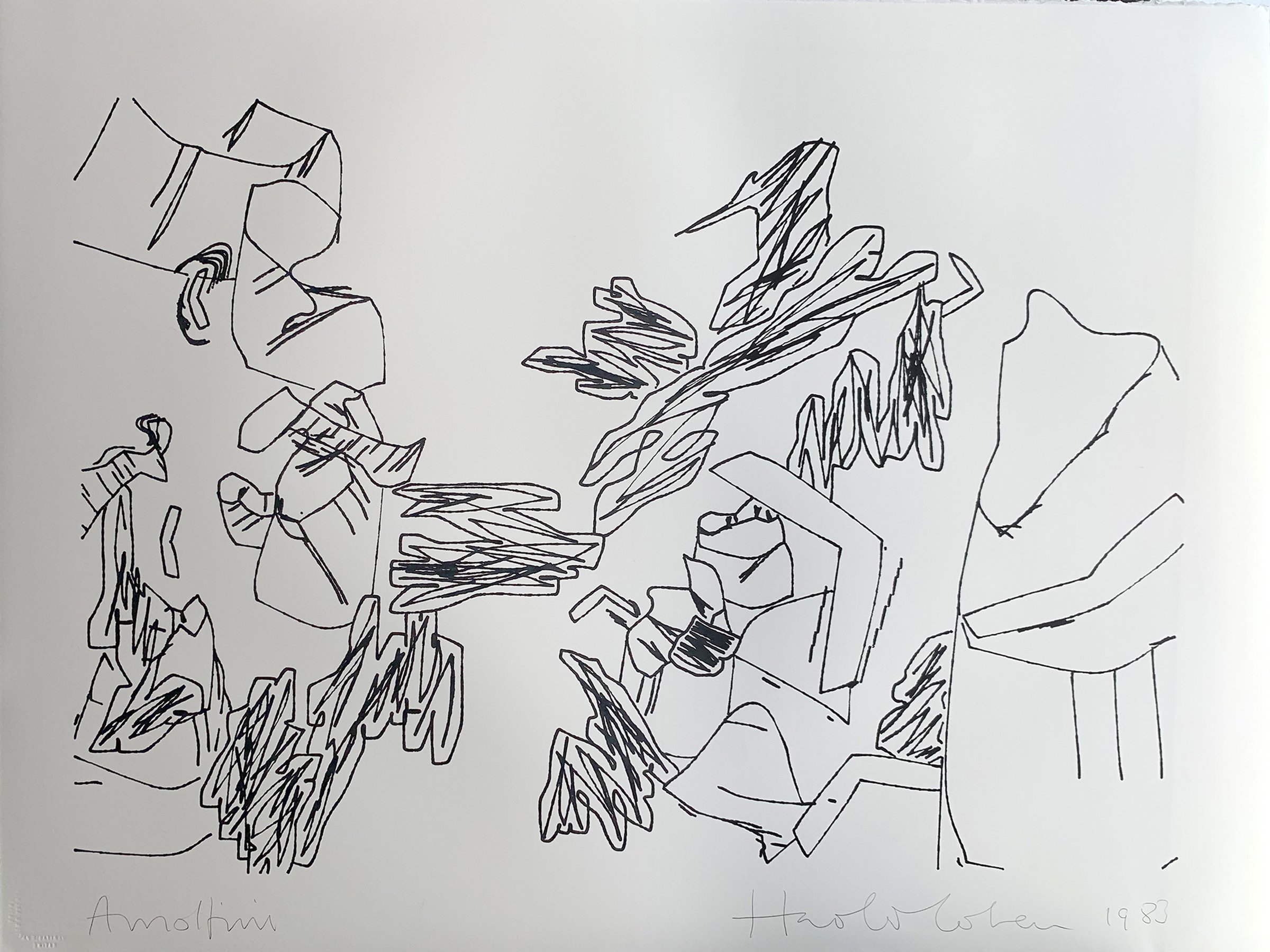
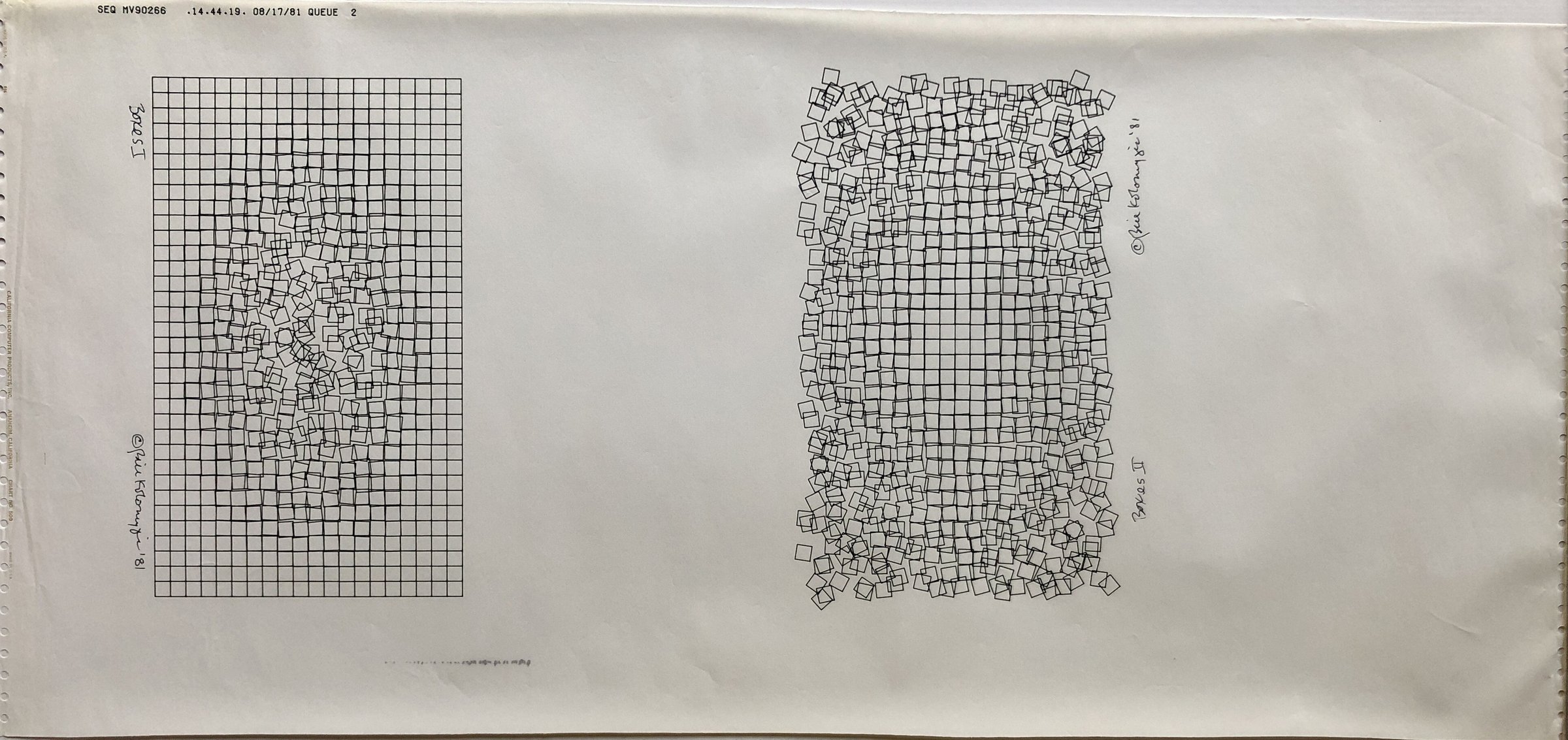
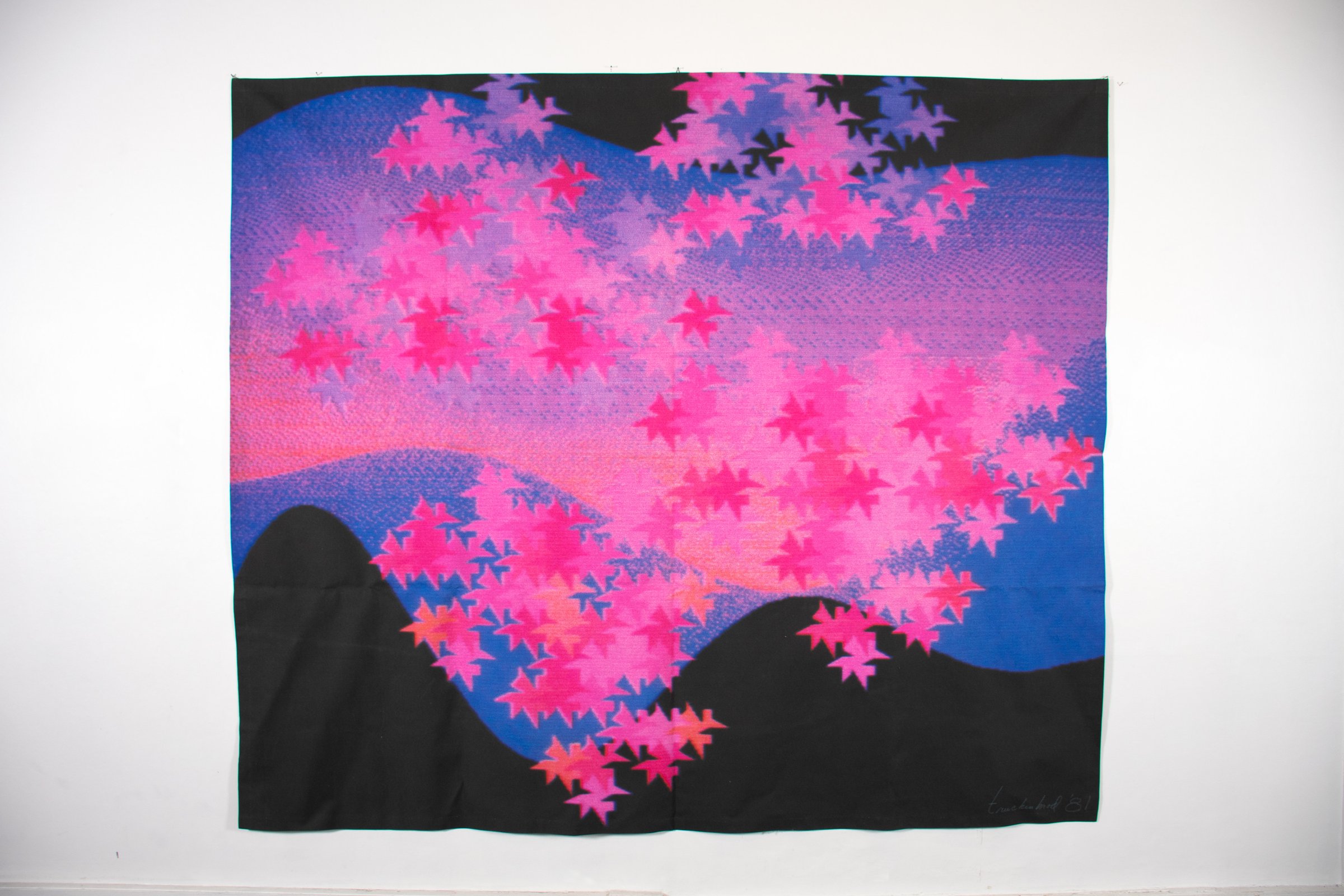
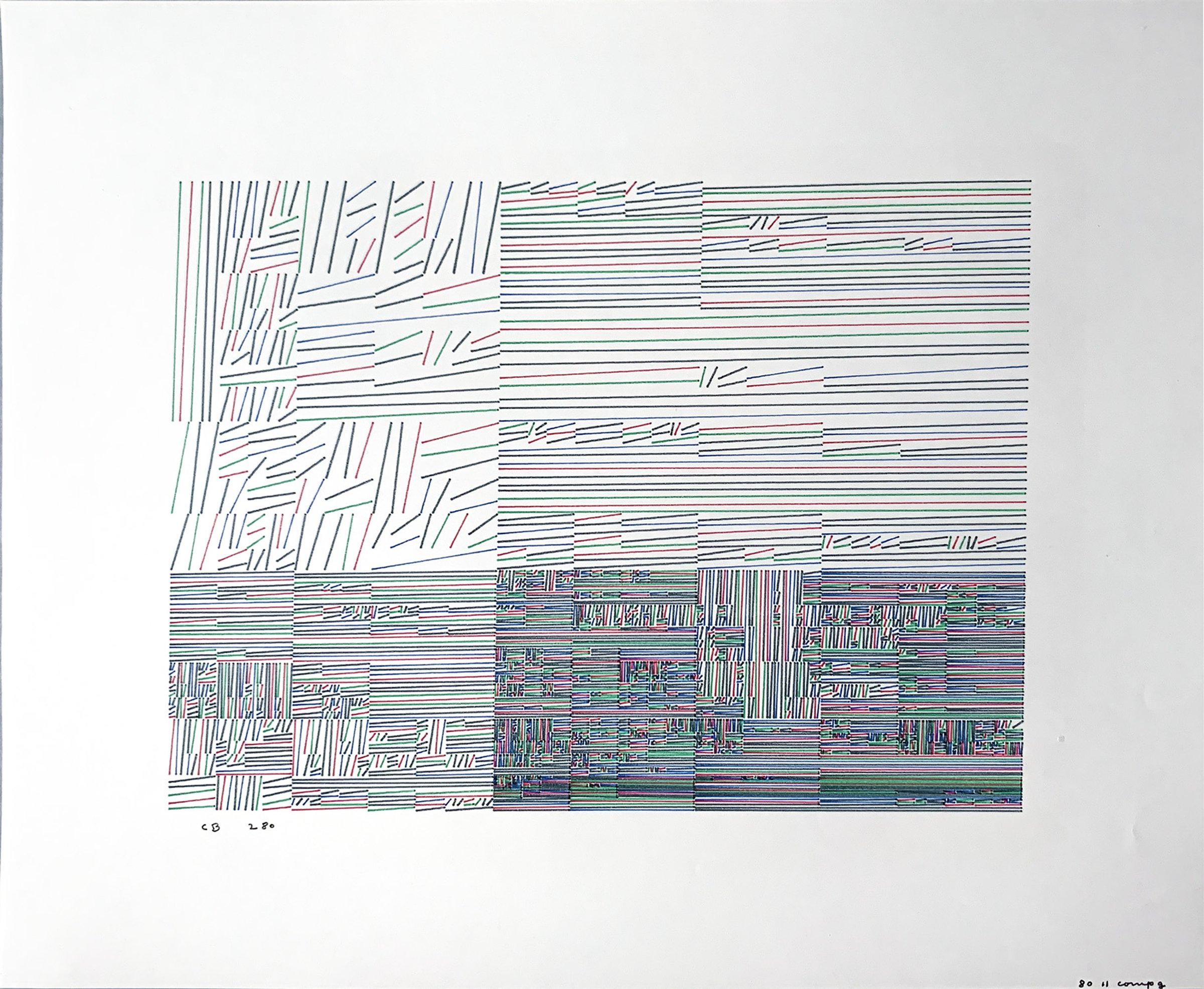
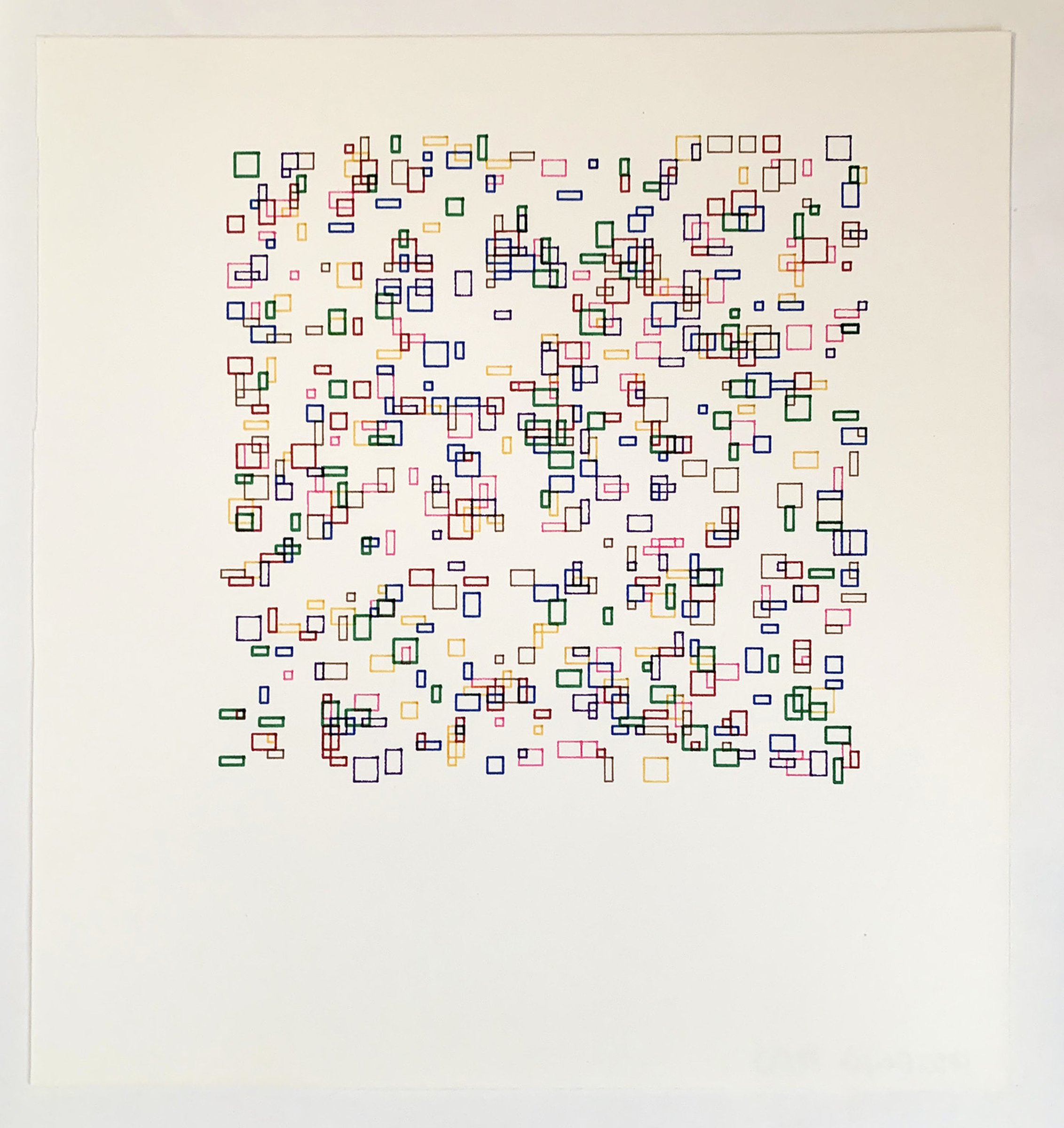
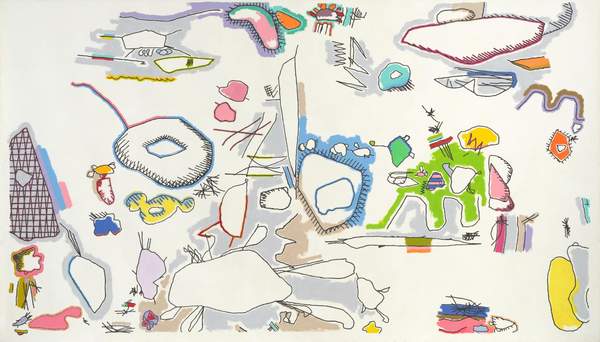
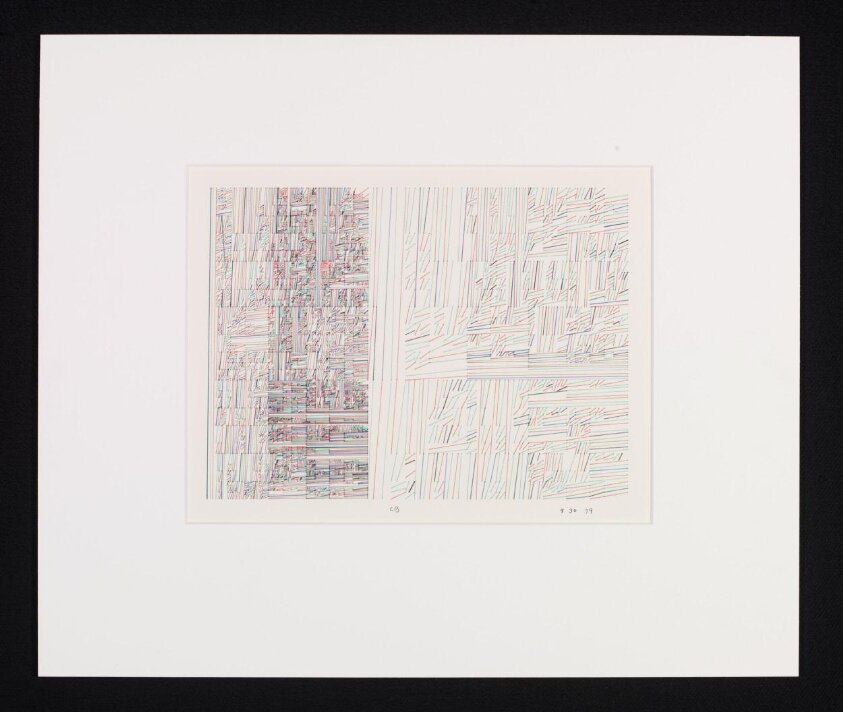
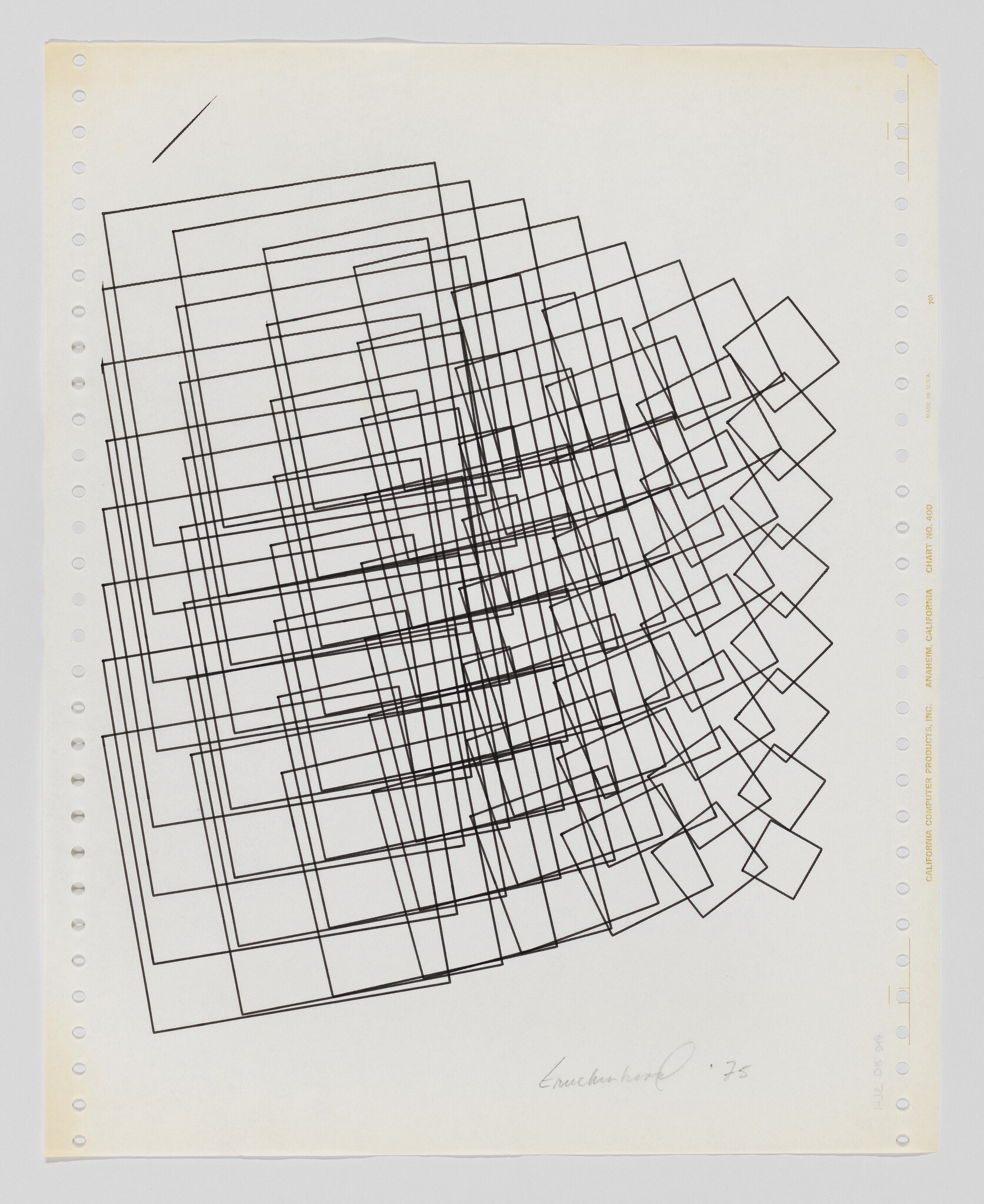
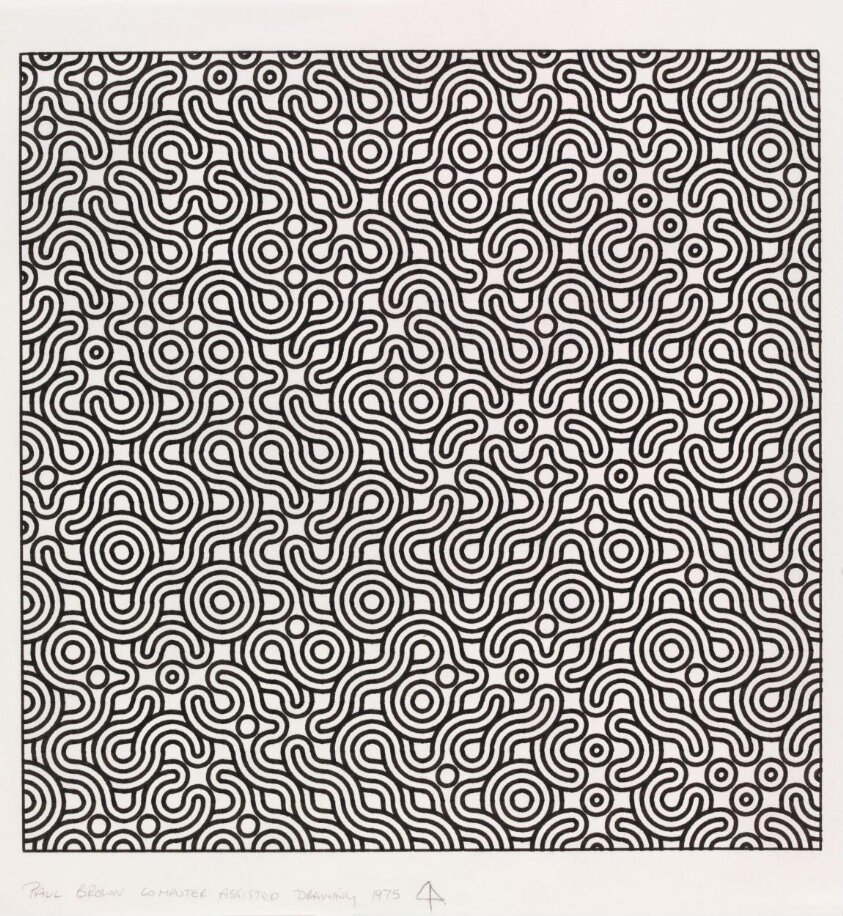
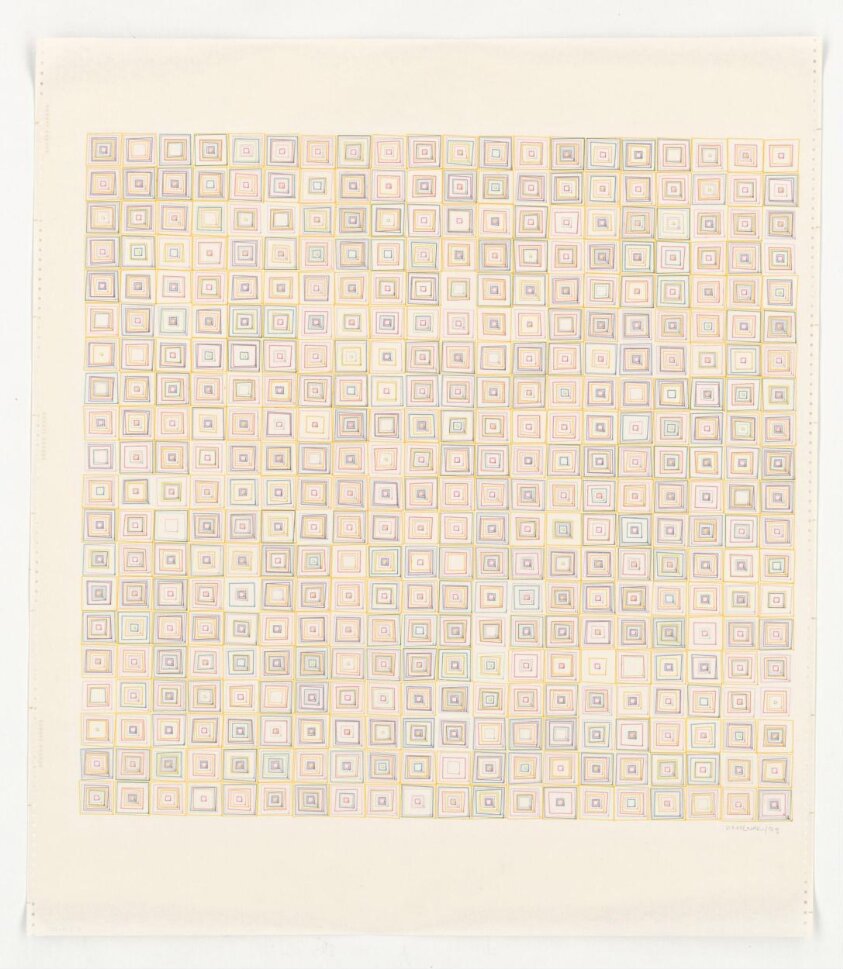
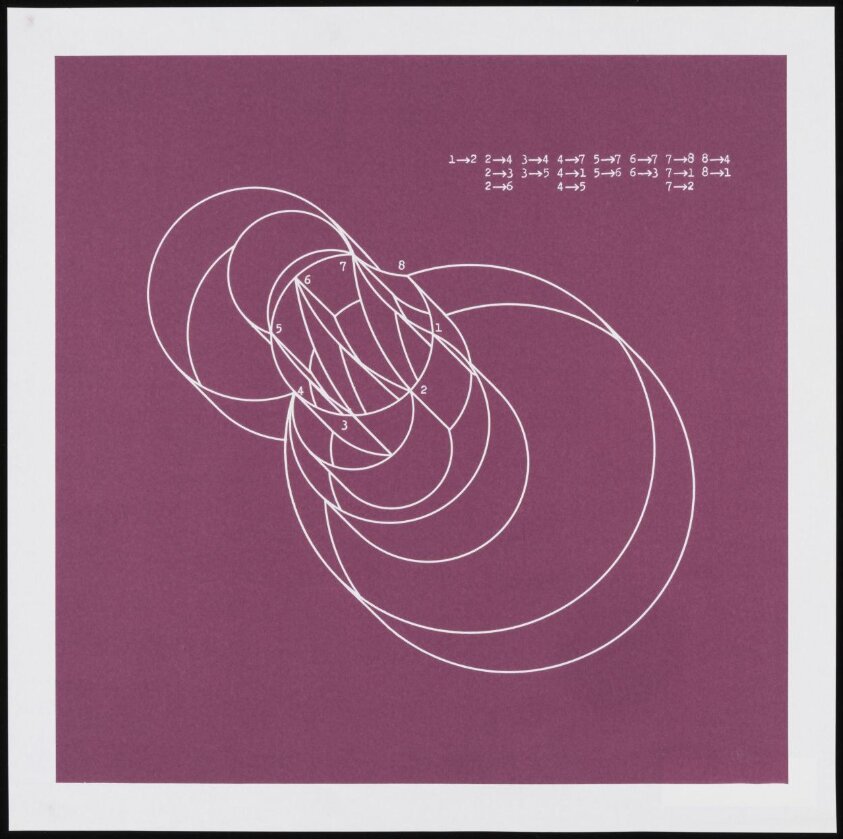
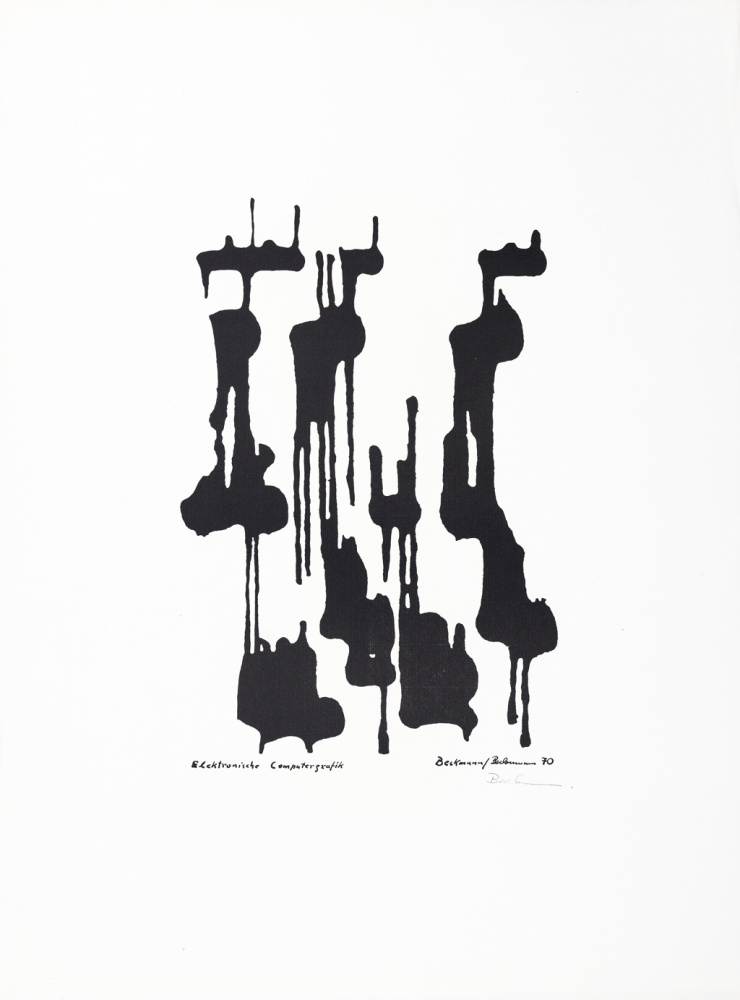
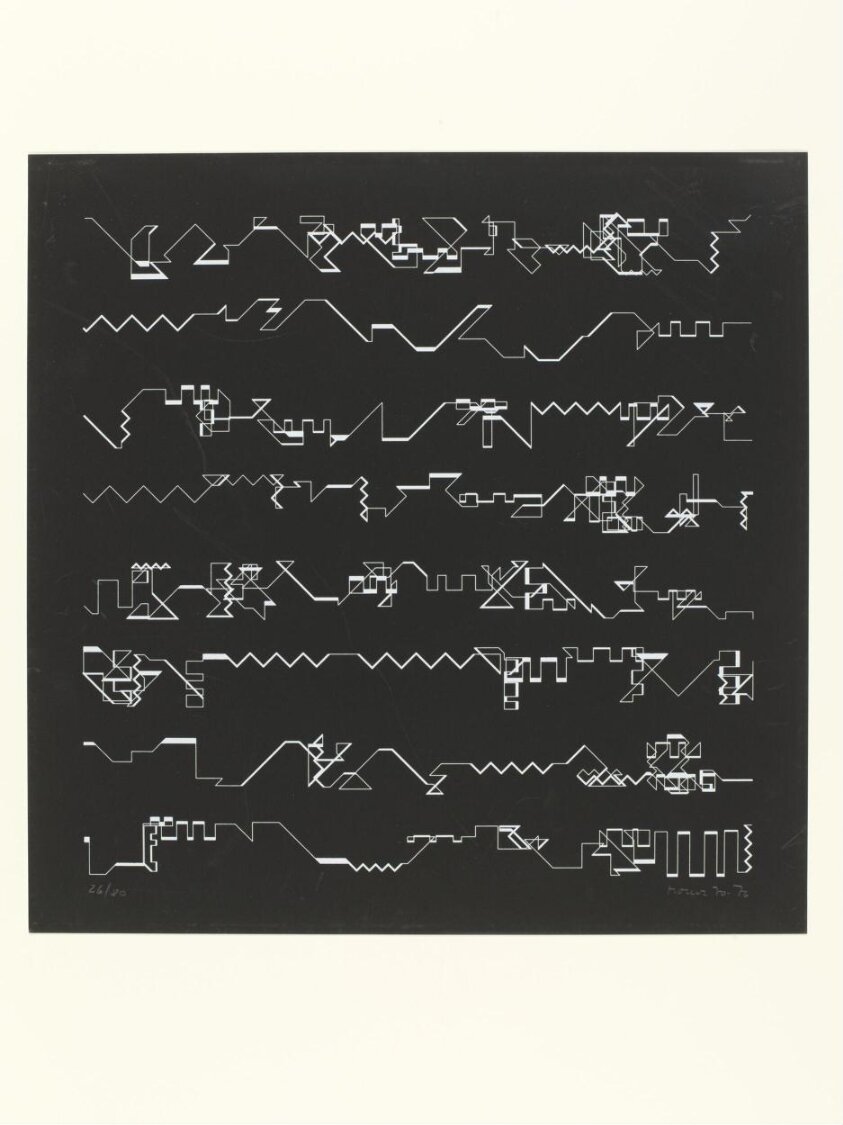
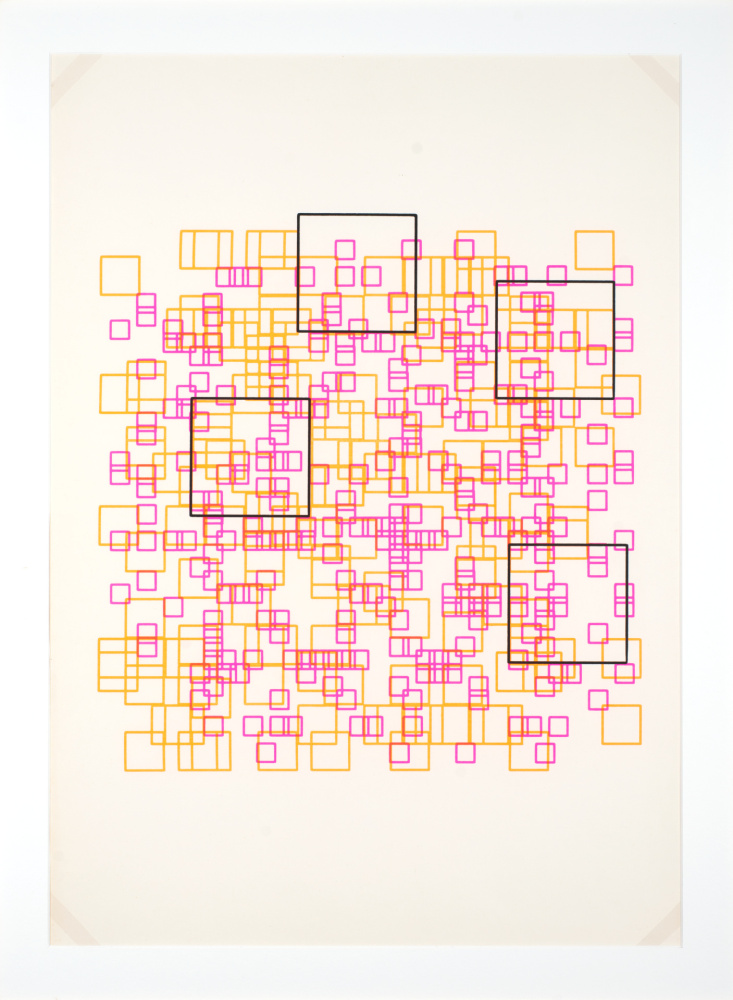
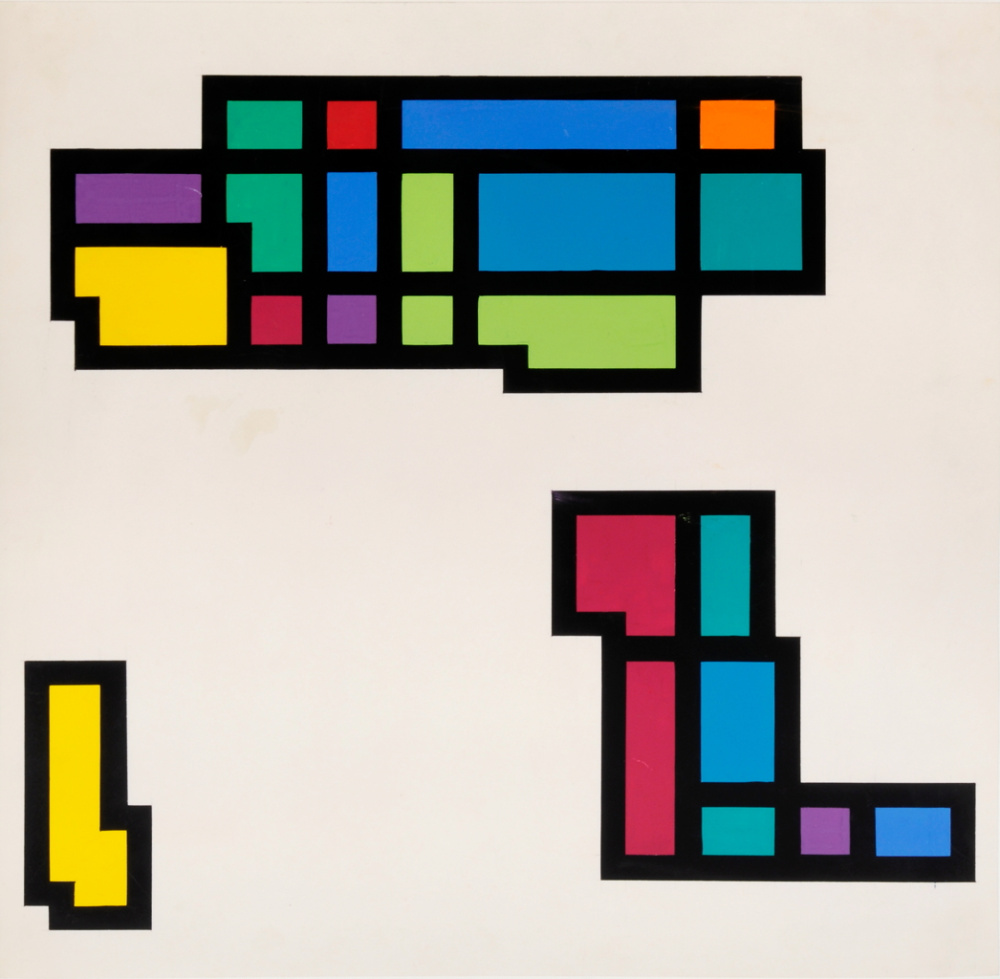
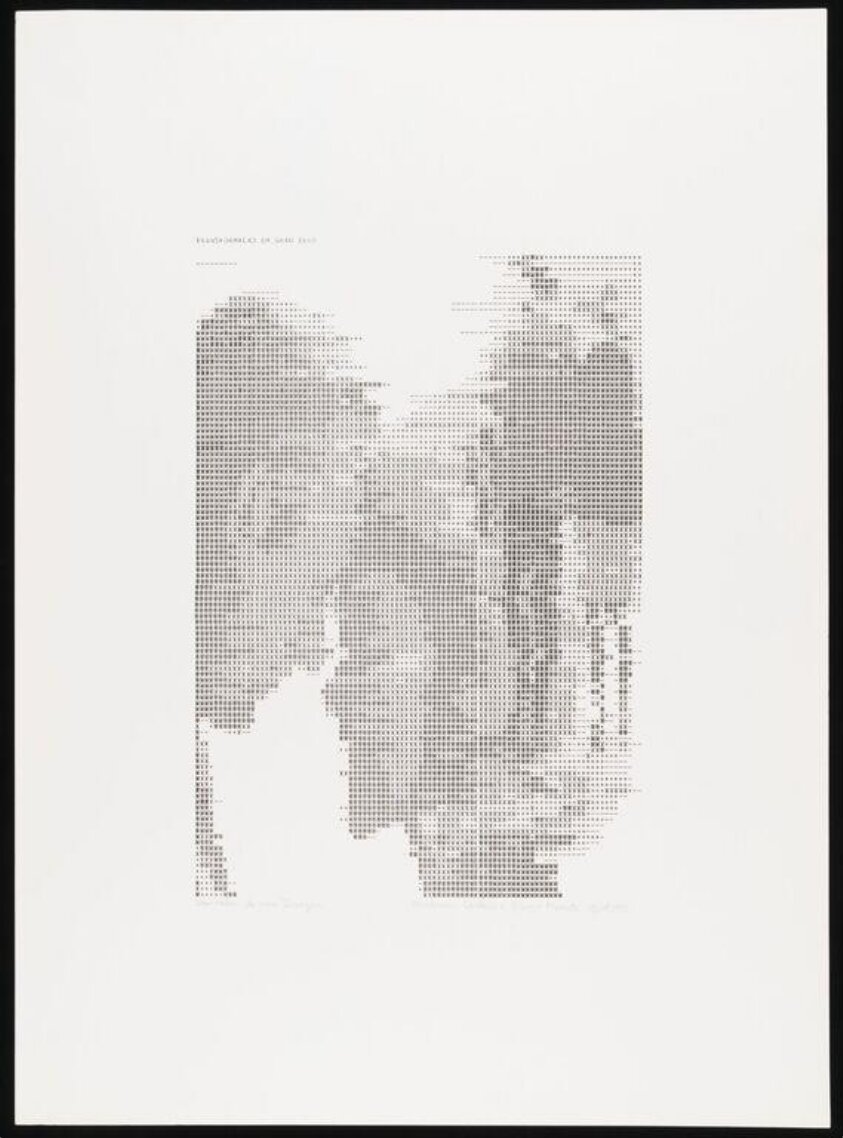
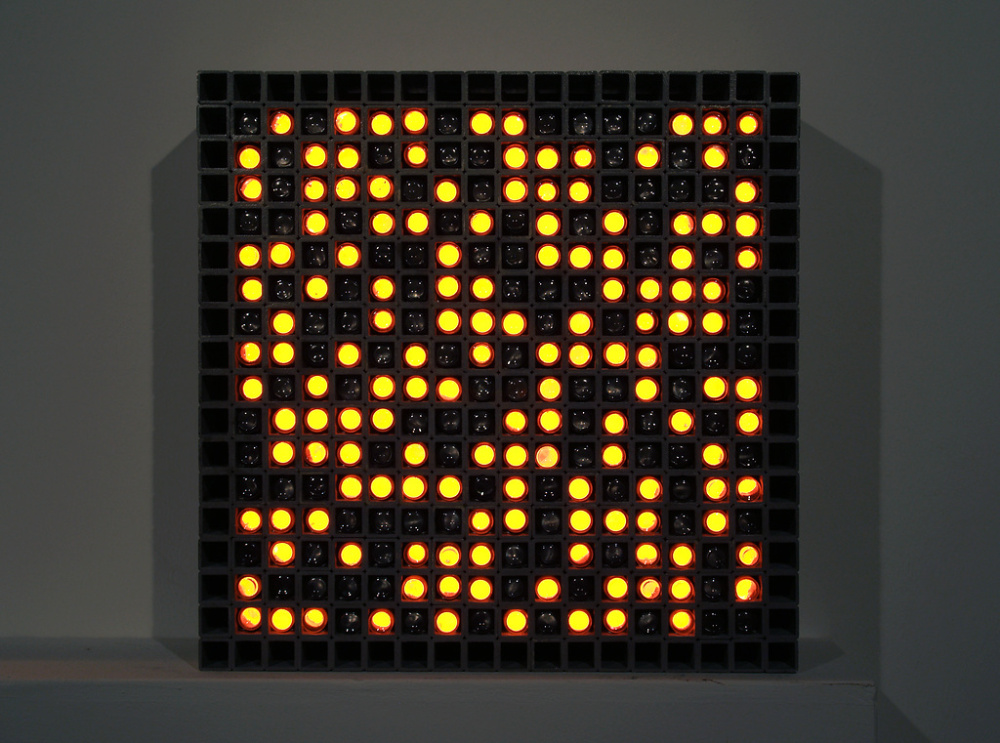
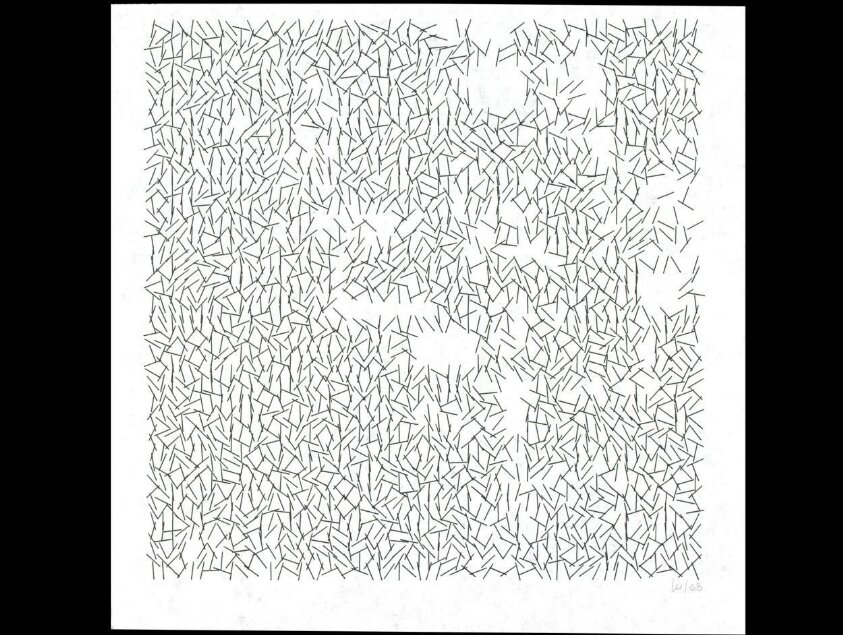
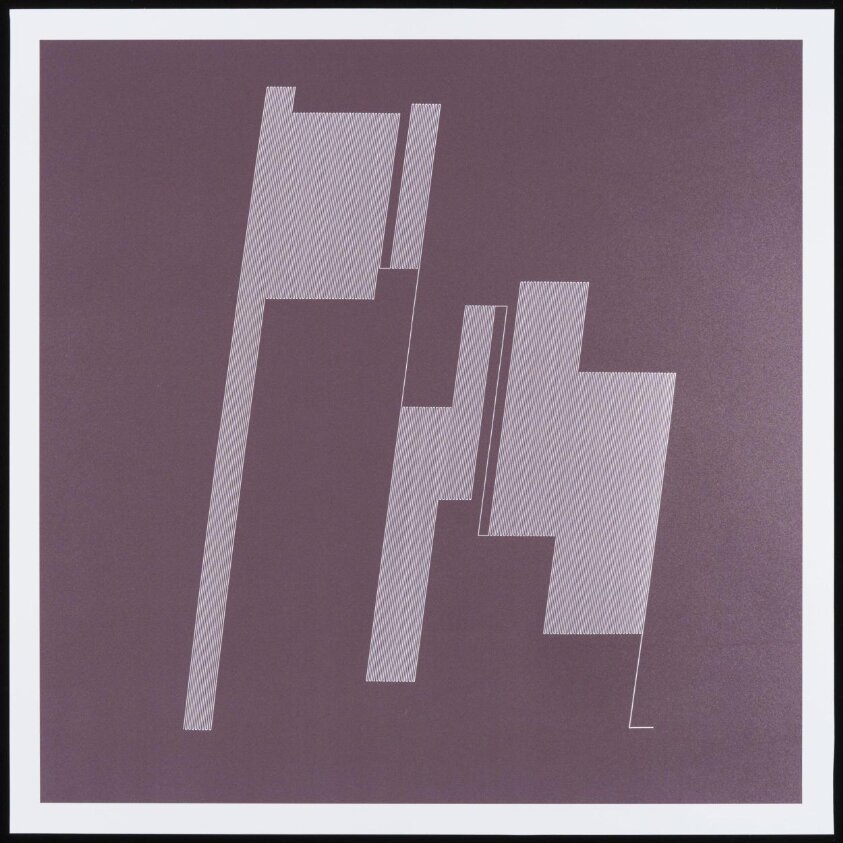
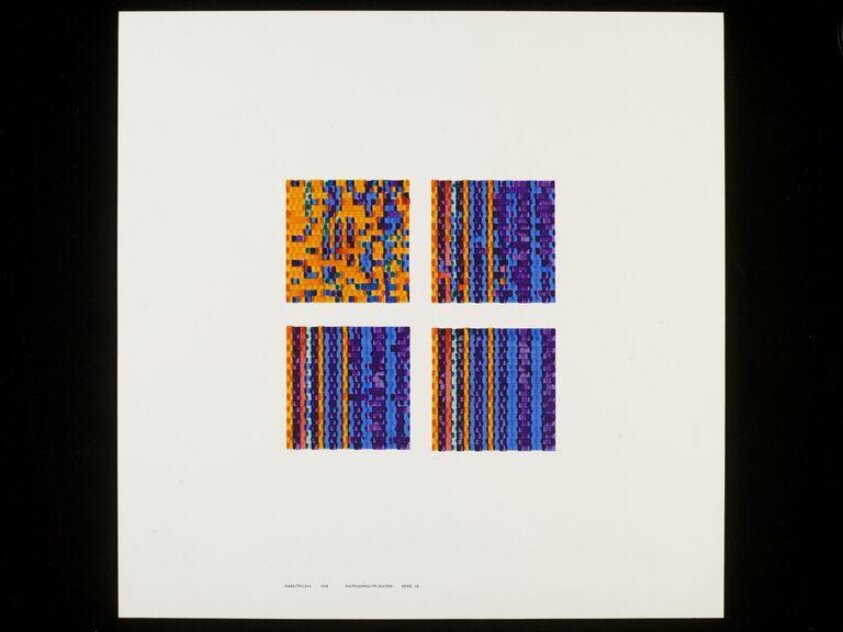
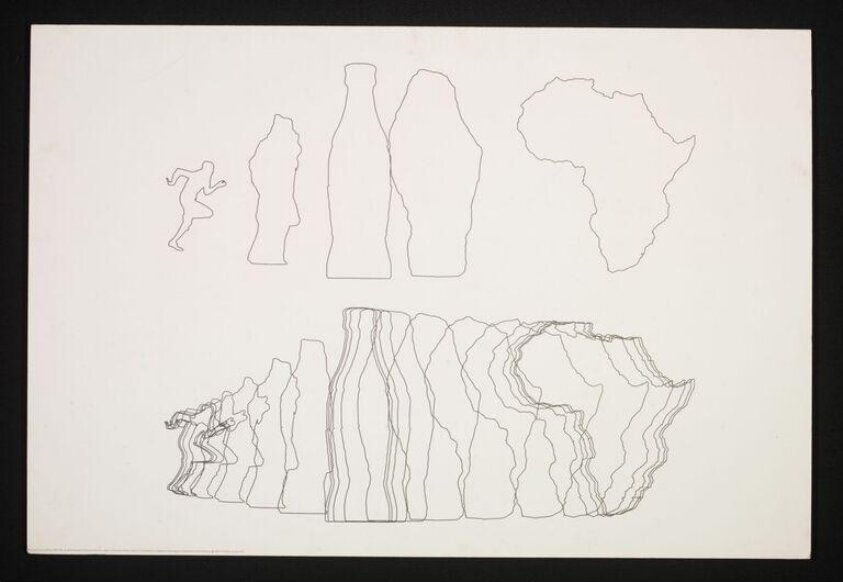
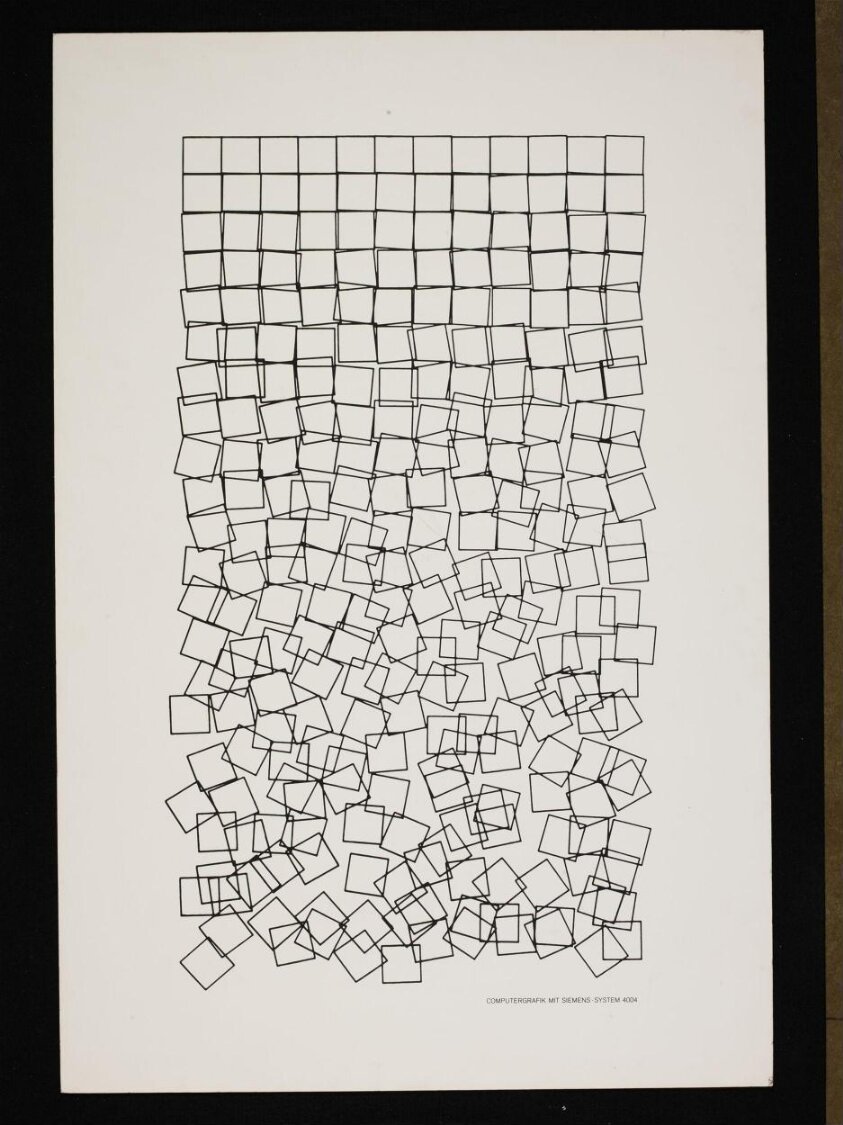
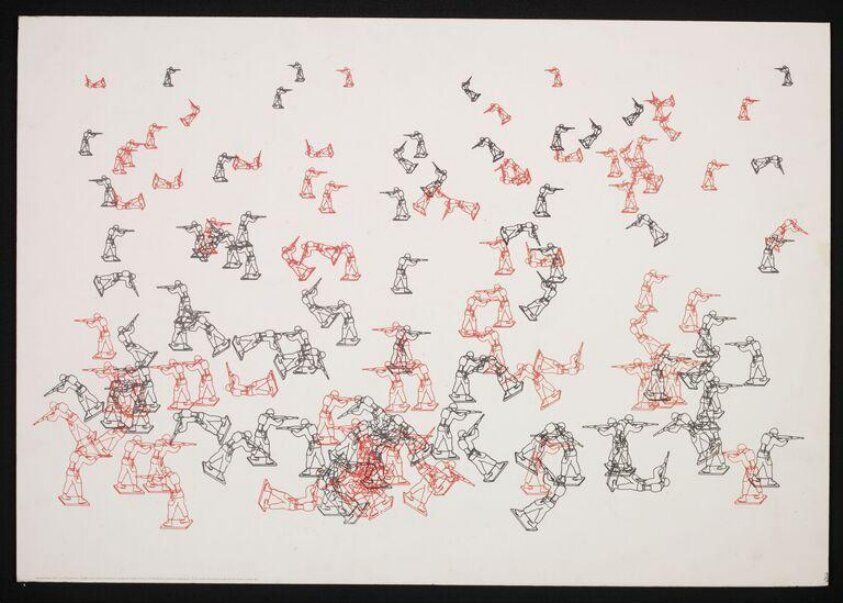
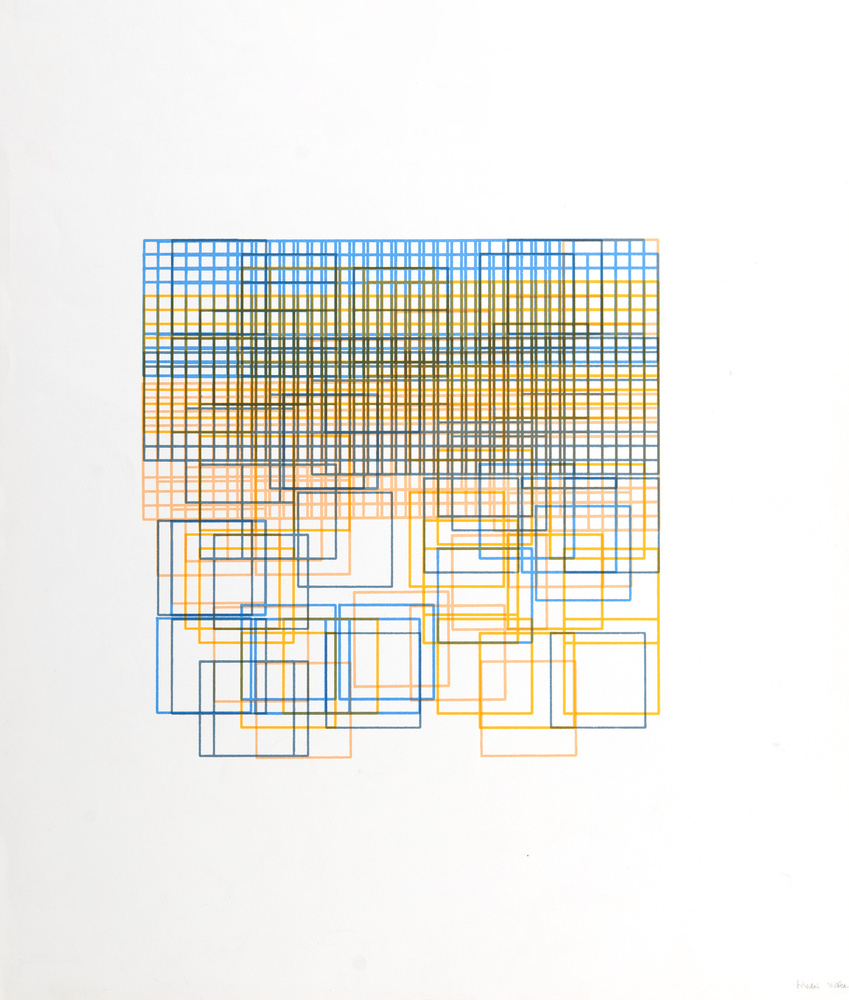
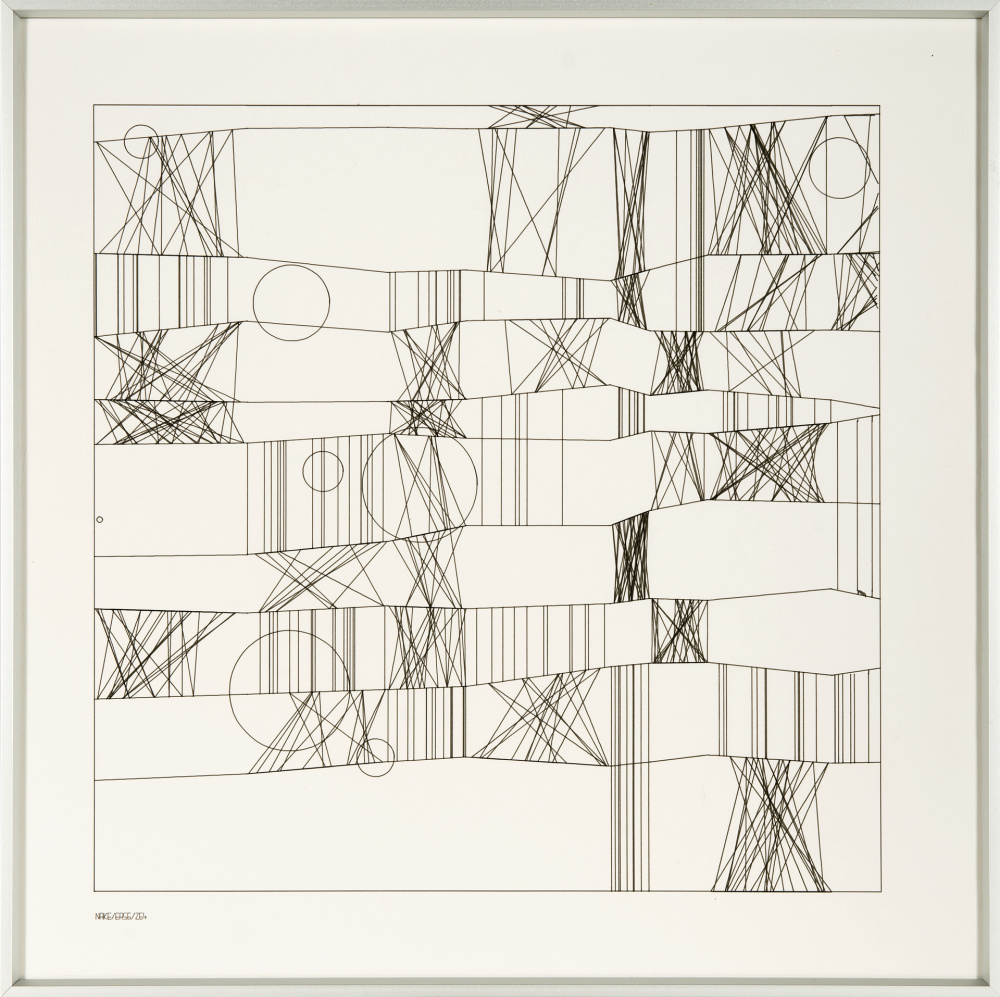
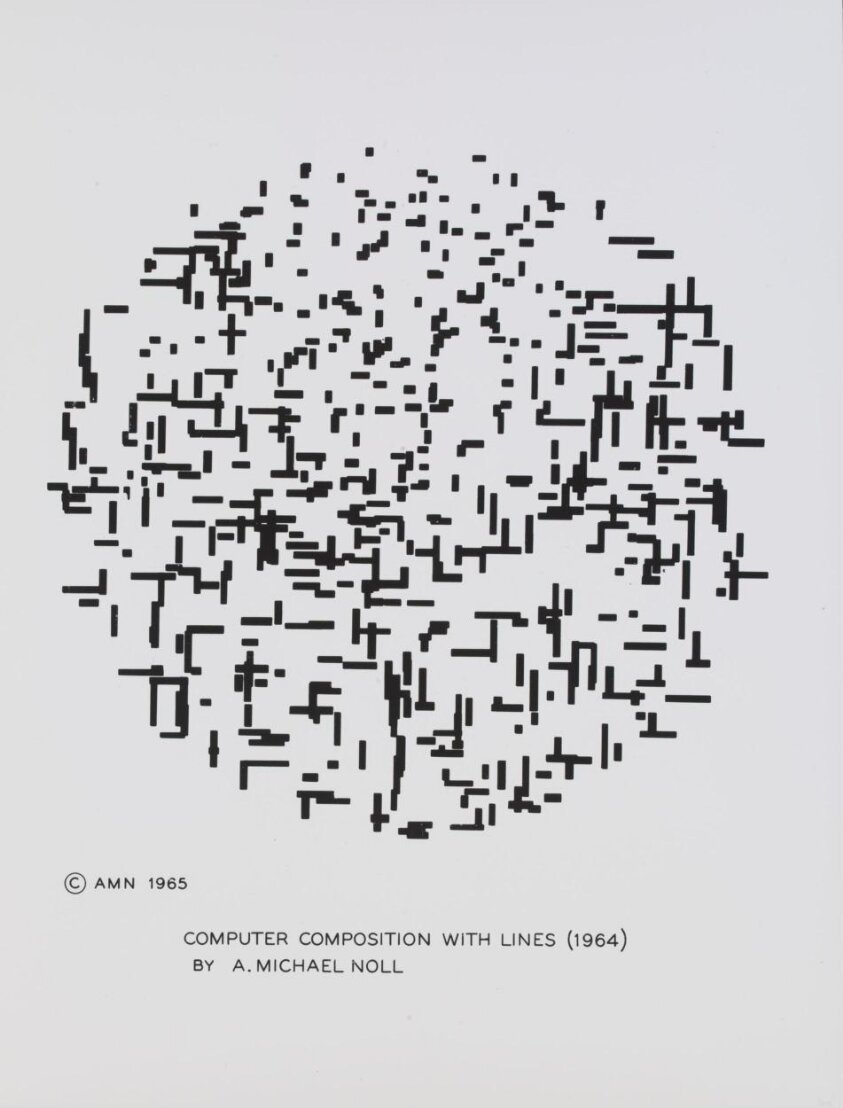
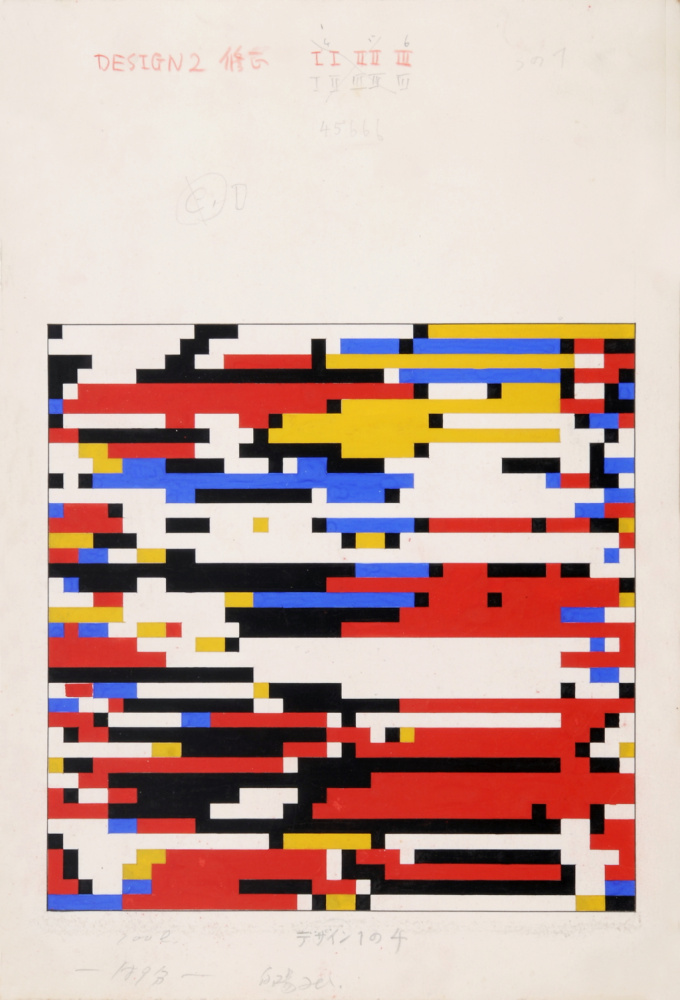
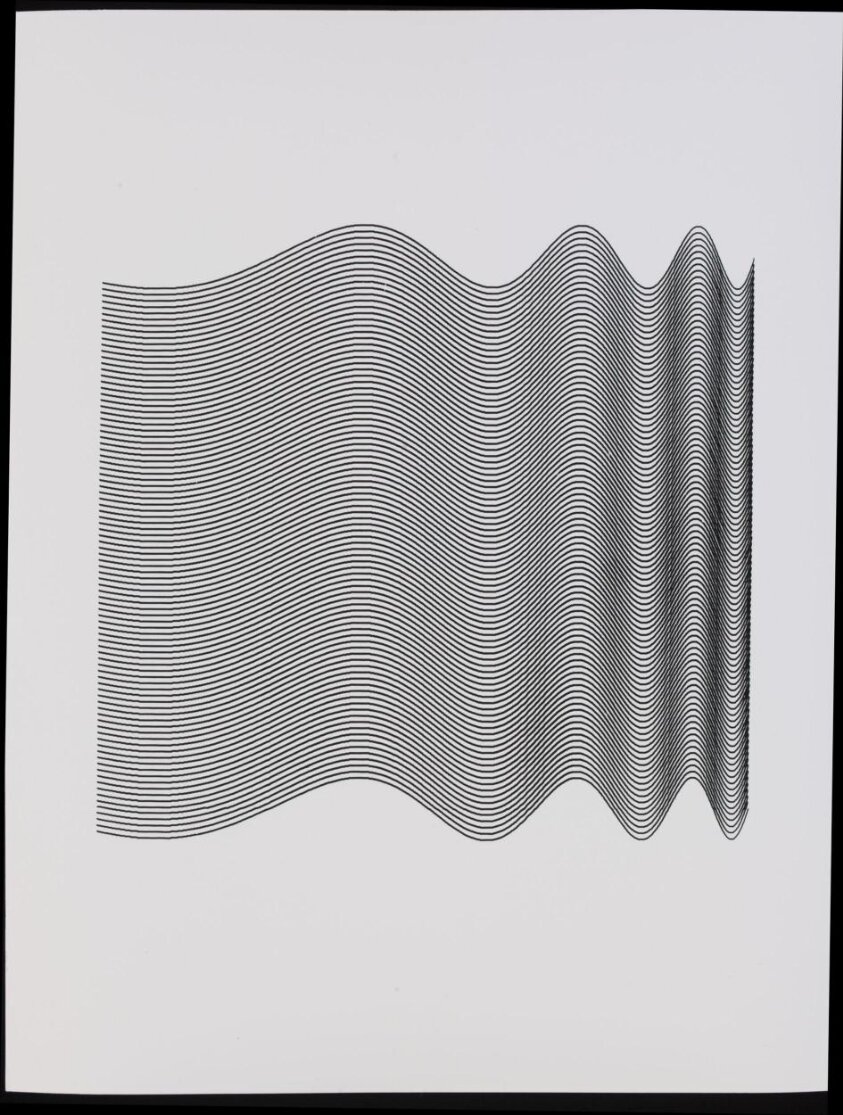
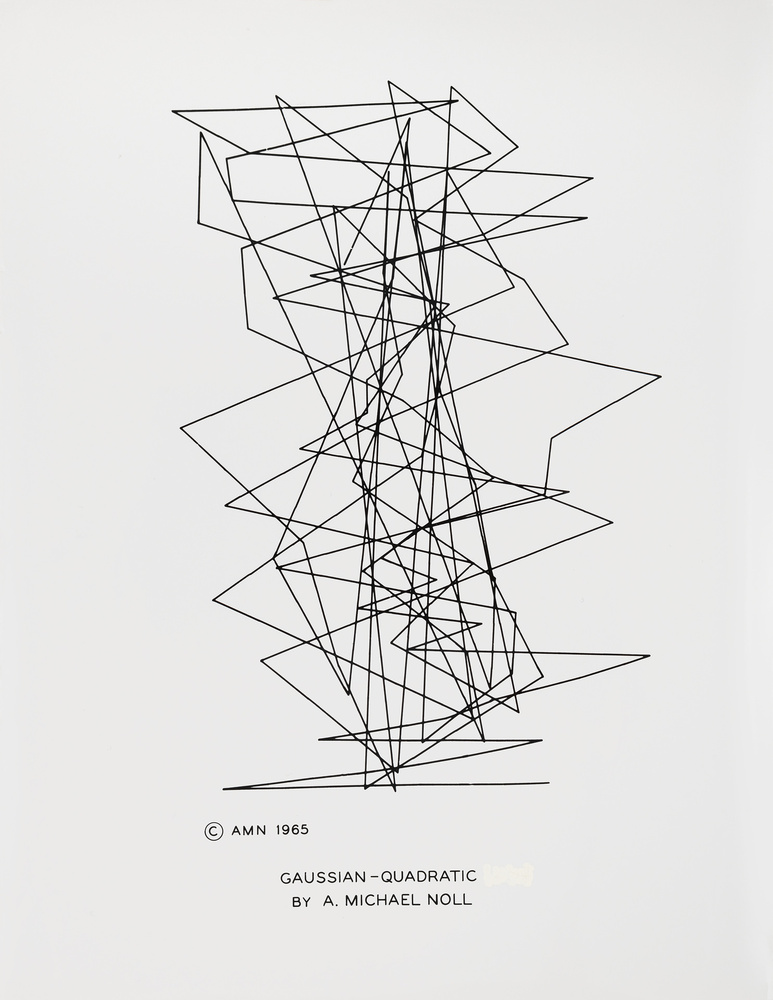
The first generation of art made with digital computers and pen plotters. It appeared in 1965 with near-simultaneous exhibitions — Georg Nees's Generative Computergrafik (Stuttgart, Feb 1965) and A. Michael Noll & Béla Julesz's Computer-Generated Pictures (Howard Wise Gallery, New York, Apr 1965), with Frieder Nake shown alongside Nees that November. These pioneers wrote programs (often in FORTRAN) whose output was drawn by plotters; Noll had begun purely artistic patterns at Bell Labs in 1962, while Vera Molnár and Manfred Mohr made their first algorithmic drawings in 1968–69. The work was grounded in "information aesthetics" (Max Bense, Abraham Moles), and much of it circulated at Cybernetic Serendipity (London, 1968) — the rule-driven, program-then-plot practice that is the historical seed of generative art.
Related movements
Works (91)